
Summer Heat Safety Tips for Electrical Workers in the PNW
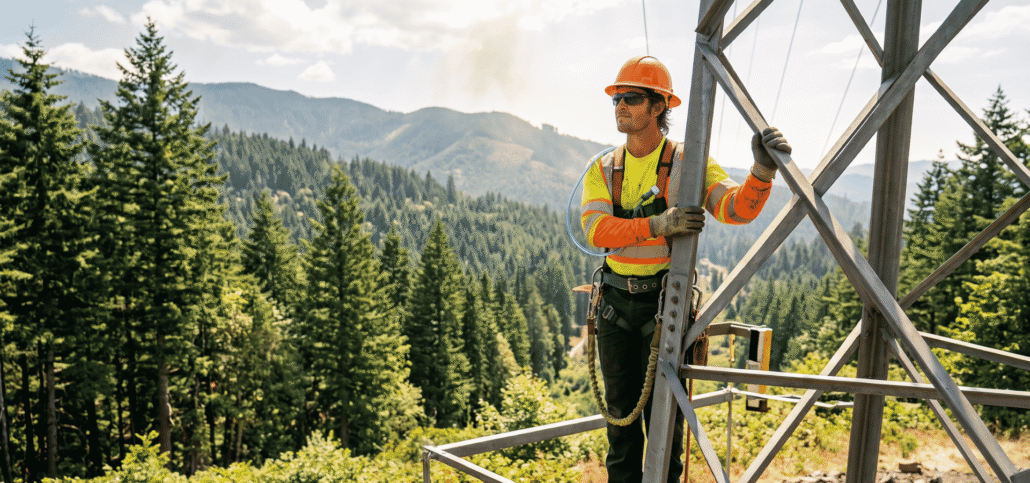
The temperature is warming up across the Pacific Northwest. Homeowners and property managers across the region are gearing up to ensure their buildings stay cool. For electrical professionals, this means getting prepared for maintenance, installations, upgrades, and more. As customers seek to beat the heat, how can the workforce stay cool and safely get the job done?
By applying their existing knowledge of local heat safety requirements, staying current with the latest updates, and maintaining proven precautions, crews can work more comfortably, productively, and safely throughout the season.
Breaking Down Construction Heat Safety
Working outdoors, in attics, on rooftops, and in other hot environments naturally puts more demand on the body. While personal protective equipment (PPE) plays an essential role in protecting workers, some gear can make it harder for the body to release heat. Combined with physical activity and long days, this makes hydration, rest breaks, and heat awareness especially important. With the right preparation and planning, crews can stay safe, productive, and efficient throughout the season.
Common Summer Health Risks
- Heat Stroke: Heat stroke is the most serious type of heat-related illness. It happens when the body can no longer cool itself effectively, causing body temperature to rise quickly. Knowing the warning signs and responding immediately helps protect workers and keeps everyone on the jobsite safe.
- Smoke Inhalation: Wildfire season can affect air quality, making outdoor work more physically demanding. Checking local air quality forecasts and adjusting work when needed can help reduce exposure.
- Dehydration: Warm temperatures and physical labor cause the body to lose fluids more quickly. Drinking water consistently throughout the day helps maintain energy, focus, and overall well-being.
Recognizing the Signs of Heat Illness
Knowing the warning signs of heat illness helps crews respond quickly, support one another, and prevent more serious conditions from developing.
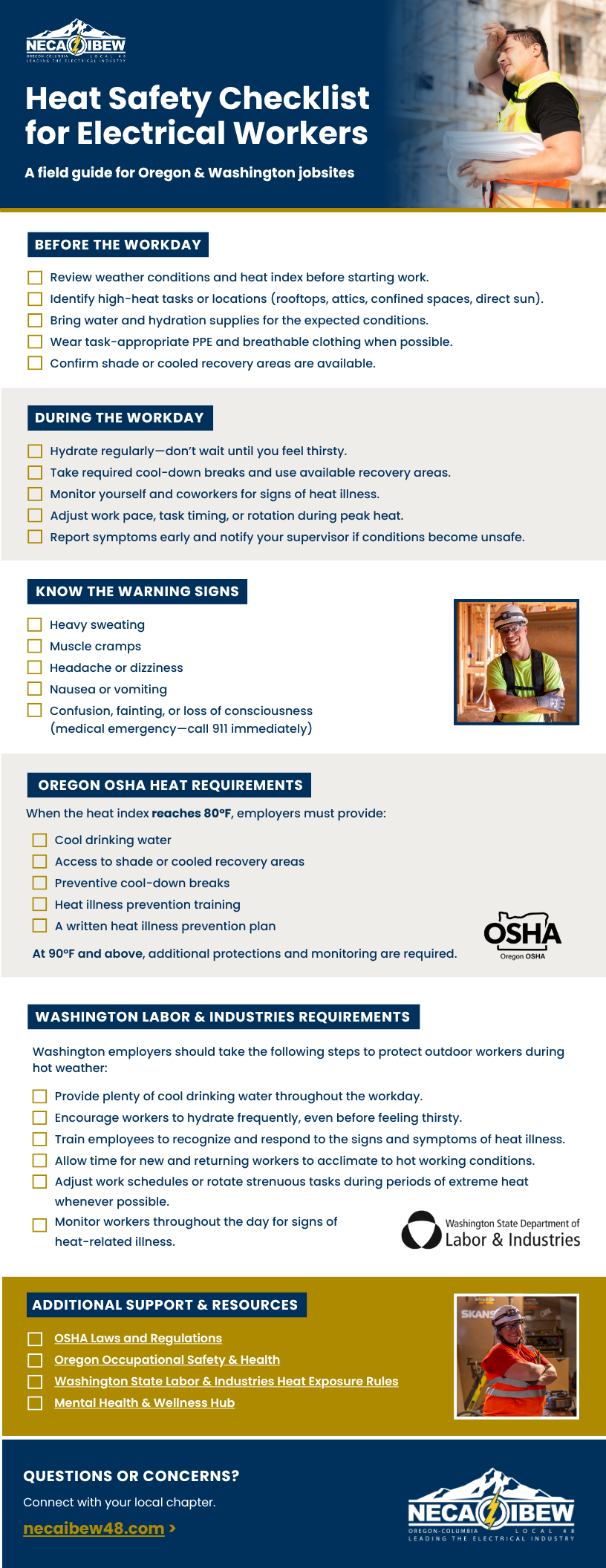
- Heavy sweating or signs of overheating: Move to a shaded or cool area, drink water, and monitor for additional symptoms.
- Muscle cramps: Stop work, rest, and replace fluids and electrolytes before returning to activity.
- Headache or dizziness: Move to a cooler area, hydrate, and notify a supervisor.
- Nausea or weakness: Take a break, cool down, hydrate, and monitor symptoms before resuming work.
- Confusion, fainting, or loss of coordination: Treat as a medical emergency. Call for help immediately and provide cooling measures while waiting for assistance.
What to Know About Safety Rule Changes & Recommendations
The Pacific Northwest has established clear workplace heat standards to help contractors and electricians work safely during the hottest months of the year. These guidelines provide practical steps that support healthier jobsites while meeting OSHA heat regulations.
OSHA Heat Regulations in Specific States
Many U.S. states run their own OSHA-approved State Plans. Some states have adopted standards that cover hazards not addressed by federal OSHA standards.
Oregon OSHA Heat Regulations
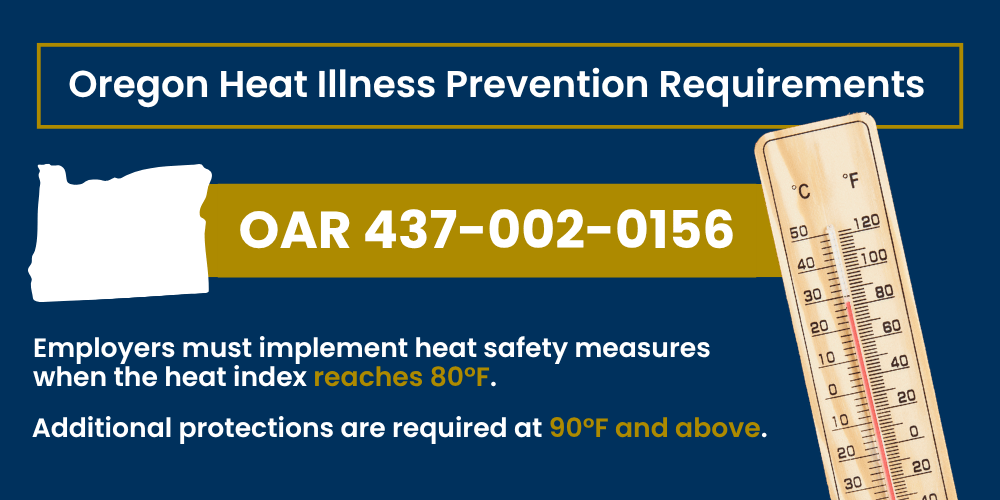
Oregon OSHA established permanent rules for heat illness and prevention. Specifically, under OAR 437-002-0156, employers must implement heat illness prevention measures whenever the heat index reaches 80°F, with additional protections beginning at 90°F. Key requirements include:
- Provide cool drinking water throughout the shift
- Ensure access to shade or cooled recovery areas
- Allow preventive cool-down and rest breaks
- Develop a written heat illness prevention plan
- Maintain a written heat illness prevention plan
- Train employees and supervisors on heat illness prevention
- Gradually acclimate new and returning workers to hot conditions
- Have emergency response procedures ready if heat illness occurs
Washington’s Construction Heat Safety Rules
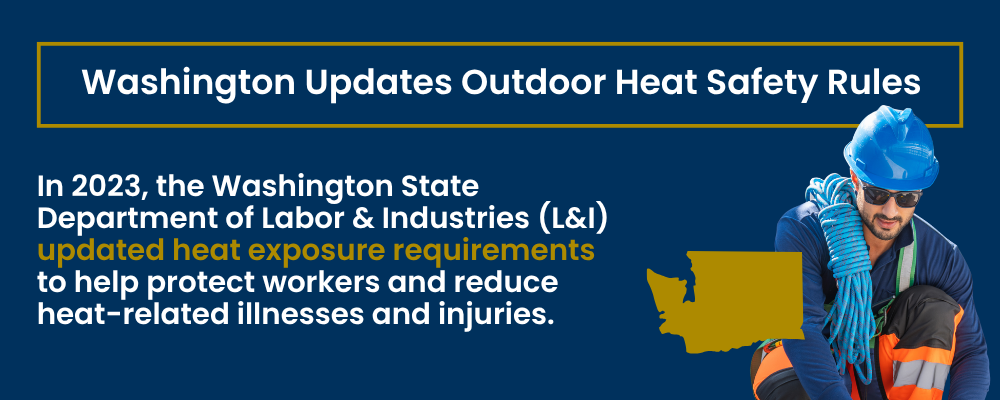
In 2023, the Washington State Department of Labor & Industries (L&I) updated its Outdoor Heat Exposure rules to help protect workers from heat-related illness and reduce the risk of injuries caused by working in high temperatures.
The updated rules strengthen protections for workers exposed to heat and include several important changes:
- Year-round requirements: Heat safety measures apply whenever employees are exposed to outdoor heat.
- Updated heat action levels: Additional precautions are required at 52°F for non-breathable clothing and 80°F for all other clothing.
- Written safety programs and training: Employers must update heat exposure programs and training to reflect the new requirements and provide information employees can understand.
- Cool-down periods: Employers must encourage and allow preventative cool-down rest breaks when temperatures reach action levels.
- Shade and cooling access: Employers must provide nearby shade or another effective cooling option for workers exposed to heat.
- Drinking water requirements: Cool drinking water must be available in sufficient quantities to help workers stay hydrated.
- Heat acclimatization support: Employers must closely observe workers who are new to heat exposure, returning after time away, or working during a heat wave for 14 consecutive days.
Knowledge, preparation, and communication are key to managing heat risks. By following state and OSHA heat safety requirements and making hydration, rest, and check-ins part of the daily routine, crews can stay safe and productive throughout the summer.
Keep Up with Electrical Industry Safety Updates & More
Staying current in the electrical industry starts with having access to the right resources. Through the NECA–IBEW Local 48 partnership, members can connect with training, industry updates, and a network of professionals committed to safety, growth, and success. Visit the Oregon-Columbia Chapter of NECA or IBEW Local 48 to learn more.
SIGN UP FOR OUR NEWSLETTER
