
Pacific Northwest Expecting Blackouts. What Does this Mean for Electricians?

Blackouts are no longer a distant concern in the Pacific Northwest. News sources across the region are warning of increased strain on the power supply, especially during periods of extreme heat and cold.
For those working in the electrical trades, this is more than a passing headline. It reflects real shifts in how power is generated, distributed, and managed, with direct implications for infrastructure, job planning, and the types of projects showing up in the field.
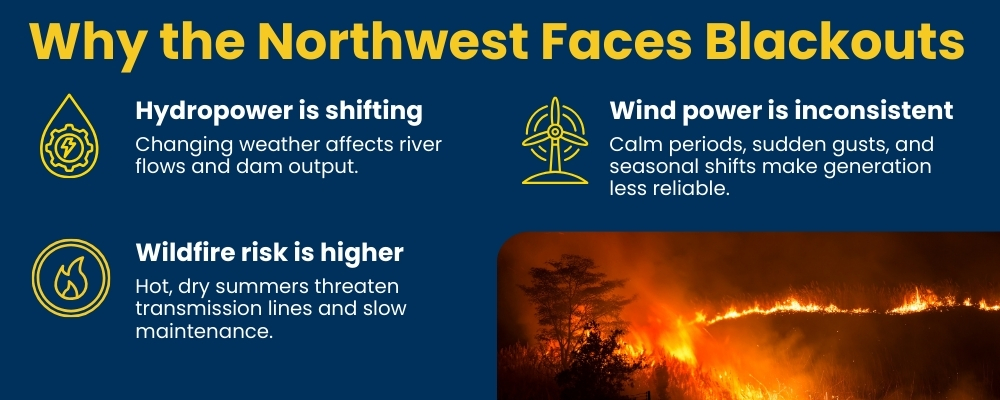
Why Blackouts Are Becoming More Likely
The Northwest’s grid is being pushed by a mix of challenges happening at the same time.
Climate impacts are changing how power is produced and delivered:
- Hydropower, long a cornerstone of the region’s energy mix, is becoming less predictable as weather patterns shift.
- Hotter, drier summers also mean higher wildfire risk, which can threaten transmission lines and slow down maintenance or construction projects.
- Weather changes have affected wind-power predictability, with longer calm periods, sudden gusts, and shifting seasonal wind patterns making generation less consistent and harder to rely on during peak demand.
Grid upgrades aren’t keeping pace. Coal-fired power plants across the region are being retired to reduce emissions. While that shift is necessary, new generation and transmission projects take time to build, and upgrades haven’t kept pace with demand.
Demand is rising fast. According to regional forecasts: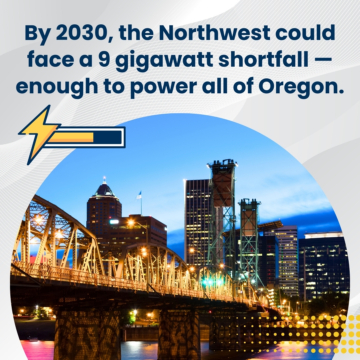
- By 2030, Oregon and Washington could face a 9 gigawatt gap between available power and what homes and businesses need.
- The North American Electric Reliability Corporation’s (NERC) 2025-2026 winter assessment predicts the PNW’s energy demand to be 9.3% higher than last year.
When extreme weather hits, utilities may have limited options beyond managing demand through rolling outages.
What’s Driving Higher Energy Use?
According to the North American Electric Reliability Corp. (NERC), rising energy demand could make the region more susceptible to power shortages.
A few major trends are driving this:
- Widespread Electrification: Vehicles, heating systems, and industrial equipment are switching to electric to cut emissions.
- Data Centers are Expanding Fast. These facilities need massive, nonstop power and cooling.
- Buildings are Getting Smarter. Automation, solar, and advanced controls are becoming standard in new projects.
- Extreme heat is increasing AC use. Heat waves are pushing cooling demand to record levels.
Together, these shifts are creating peak loads that the grid is struggling to handle.
What Do Rolling Blackouts Mean for Customers?
For homeowners, blackouts raise concerns about safety, comfort, and the reliability of food or medical equipment. For businesses, even short outages can disrupt operations, damage equipment, and result in lost revenue. All-electric and solar-powered buildings can be especially vulnerable if they lack storage or backup systems.
Pacific Northwest Electrical Contractors are Delivering Solutions
Across the region, electricians are taking steps to keep homes and businesses powered during outages and amid rising energy demands.
- Assessing critical loads. Identifying which systems absolutely need power during an outage.
- Providing backup options. Installing battery storage, generators, or hybrid systems to keep essential circuits running.
- Implementing smart load management. Using controls and automation to reduce strain during peak demand.
- Upgrading panels and service capacity. Ensuring systems can safely handle new loads from electrification.
- Building long-term resilience. Adding microgrids, solar-plus-storage, and hardened infrastructure to future-proof buildings.
As the Pacific Northwest’s grid faces more frequent strain, the skills electricians have relied on for years are becoming even more critical:
- Installing energy storage and renewables
- Implementing and maintaining smart systems and controls
- Navigating codes and compliance for distributed energy resources
- Using diagnostics and data to keep systems reliable
- Supporting climate-ready infrastructure, from hardened facilities to undergrounding lines
Shaping a More Reliable Energy Future
Across the Pacific Northwest, electricians aren’t just keeping the lights on. They’re helping communities prepare for what’s ahead. Every panel upgrade, battery installation, and smart retrofit strengthens the region’s ability to handle extreme conditions.
The NECA–IBEW Local 48 partnership supports this work through education, training, and networking, giving members access to the tools and expertise shaping the future of the electrical industry.
Visit the Oregon-Columbia Chapter of NECA or IBEW Local 48 and explore available resources and membership opportunities.
SIGN UP FOR OUR NEWSLETTER
