
Is Construction Safety Keeping Up with Electrical Work?
Construction safety rules can change quickly. For electrical professionals, those changes hit close to home. Electrical work already carries unique risks, including energized systems, outdoor elements, tall buildings, and small spaces. Evolving safety standards directly affect how jobs are planned, staffed, and executed.
The big question many contractors are asking is whether safety regulations are keeping pace with the realities of modern electrical work. Here’s what’s changed recently, what’s coming next, and why it matters for electrical contractors in the Pacific Northwest.
What’s New at the Federal Level?
Several OSHA updates in 2025 signaled a stronger push toward clarity, accountability, and enforcement.
Personal Protective Equipment (PPE)
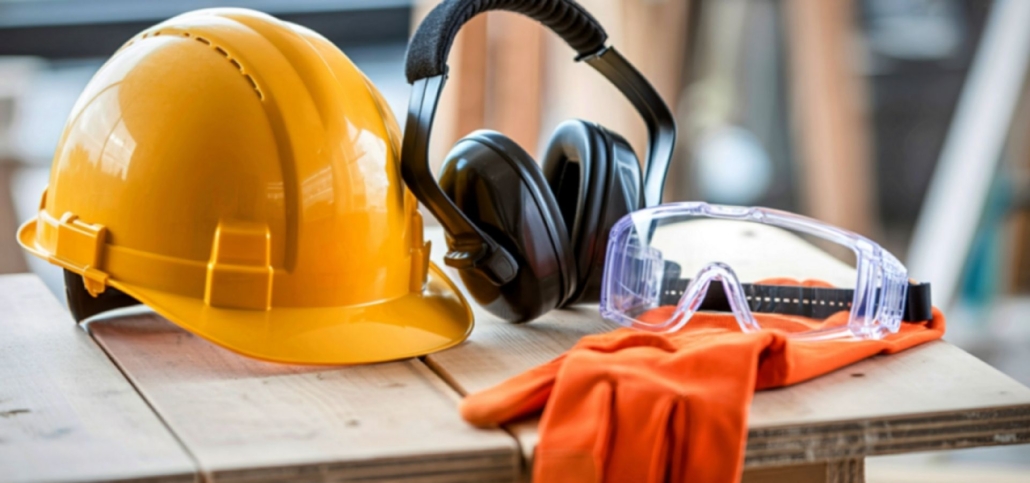
OSHA’s new PPE standard, effective January 13, 2025, requires safety managers to ensure protective equipment is correctly sized and fitted for each worker.
- This applies to helmets, gloves, harnesses, respirators, and more.
- For electrical crews, this is especially relevant for arc-rated gear, fall protection, and respiratory equipment, where poor fit can reduce effectiveness or introduce new hazards.
Higher Penalties, Stronger Enforcement
OSHA increased penalties for violations in 2025, raising the financial stakes for noncompliance. Serious violations now carry higher fines, and repeated violations can add up quickly.
Examples of OSHA Penalties:
- Serious violation
Issued when a hazard could cause serious injury or death, and the employer knew or should have known about it. - Other-than-serious violation
Often documentation or process-related, but still increasingly cited due to recordkeeping emphasis. - Willful or repeated violation
These are seeing much more aggressive enforcement, particularly when prior citations are on record.
Expanded Reporting and Recordkeeping
Construction employers are facing increased expectations around injury and illness reporting, including electronic submission and more detailed documentation. For many contractors, this means shifting toward digital systems to track incidents, training, and corrective actions.
State-Level Changes in the Pacific Northwest
Federal OSHA sets the baseline, but state plans add another layer.
Washington
Washington’s Department of Labor & Industries continues to update safety and electrical rules, including the adoption of the 2026 National Electrical Code (NEC). While the changes do not apply until December 31, 2026, electrical contractors should begin reviewing now, as NEC updates often affect:
- Installation methods
- Equipment selection
- Jobsite safety practices
The state is also revising rules that often intersect with large-scale electrical work, including:
- Crane and rigging safety
- Training requirements
- Equipment certification
Oregon
Oregon OSHA typically adopts federal rules, including the updated PPE fit requirement. The agency also maintains an active rulemaking calendar and continues to emphasize training and hazard awareness, particularly around electrical exposure, fall risks, and heat-related hazards.
Fall Protection: A Broader Trend
California’s recent decision to lower the fall protection threshold for many residential tasks from 15 feet to 6 feet reflects a broader trend toward stricter fall safety rules. While this specific change doesn’t apply in the Pacific Northwest, it signals where enforcement expectations may be heading nationwide, especially for trades that routinely work on ladders, lifts, and elevated platforms.
Why This Matters for Electrical Professionals
Electrical work sits at the intersection of multiple hazards, and safety rules are increasingly designed to address that complexity. The focus on PPE fit, improved reporting, and updated codes indicates a shift toward more detailed, enforceable standards.
For electrical contractors, staying compliant now means:
- Reviewing PPE programs for proper sizing and documentation
- Preparing for increased reporting and digital recordkeeping
- Tracking state-specific rulemaking and NEC adoption timelines
- Training crews ahead of new enforcement expectations
Construction safety is evolving, and while it may not solve every jobsite challenge, it’s moving closer to the realities electrical professionals face every day.
Keep Up with Industry Updates & More
The NECA–IBEW Local 48 partnership provides access to career-enhancing training, continuing education, resources, and a network of fellow industry members.
Visit the Oregon-Columbia Chapter of NECA or IBEW Local 48 to learn more about membership and resources.
SIGN UP FOR OUR NEWSLETTER